Can Science, Common Sense & Compassion Co-Exist?
 The shell was still warm from saltwater. The perfectly formed brown and cream-colored swirls of calcium carbonate dried quickly in my hand. The empty shell was an unexpected gift, a reminder of the beauty and mystery of life in the sea.
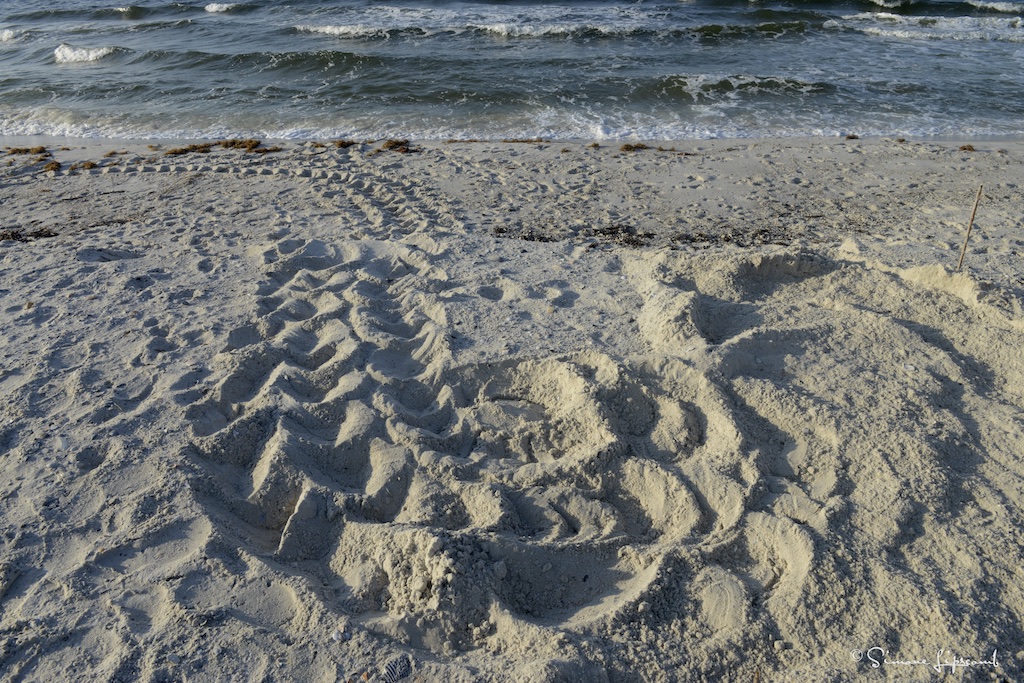
I walked eastward in the pre-dawn light searching along the high-tide line for sea turtle tracks. The calm, clear water of the Gulf of Mexico reflected soft, pastel light that illuminated my early-morning walk with exquisite colors that made me yearn for my big Nikon…left behind on this sea turtle patrol.
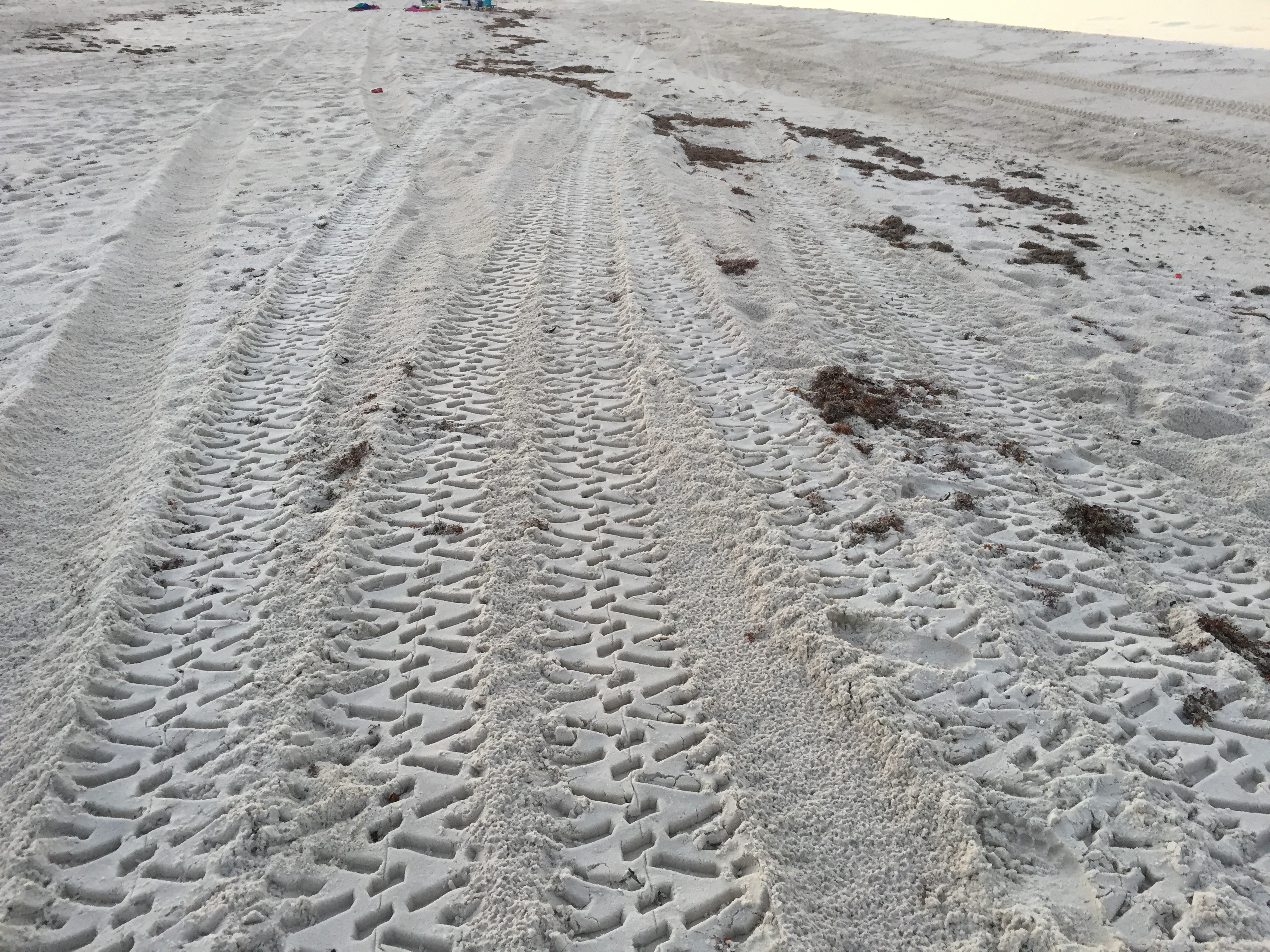
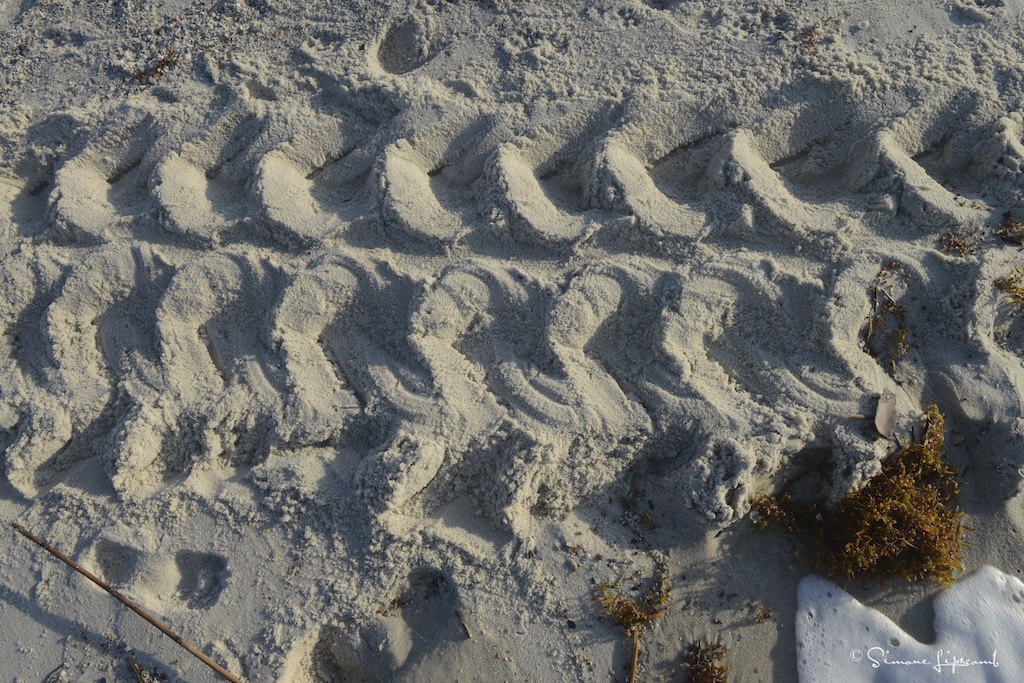
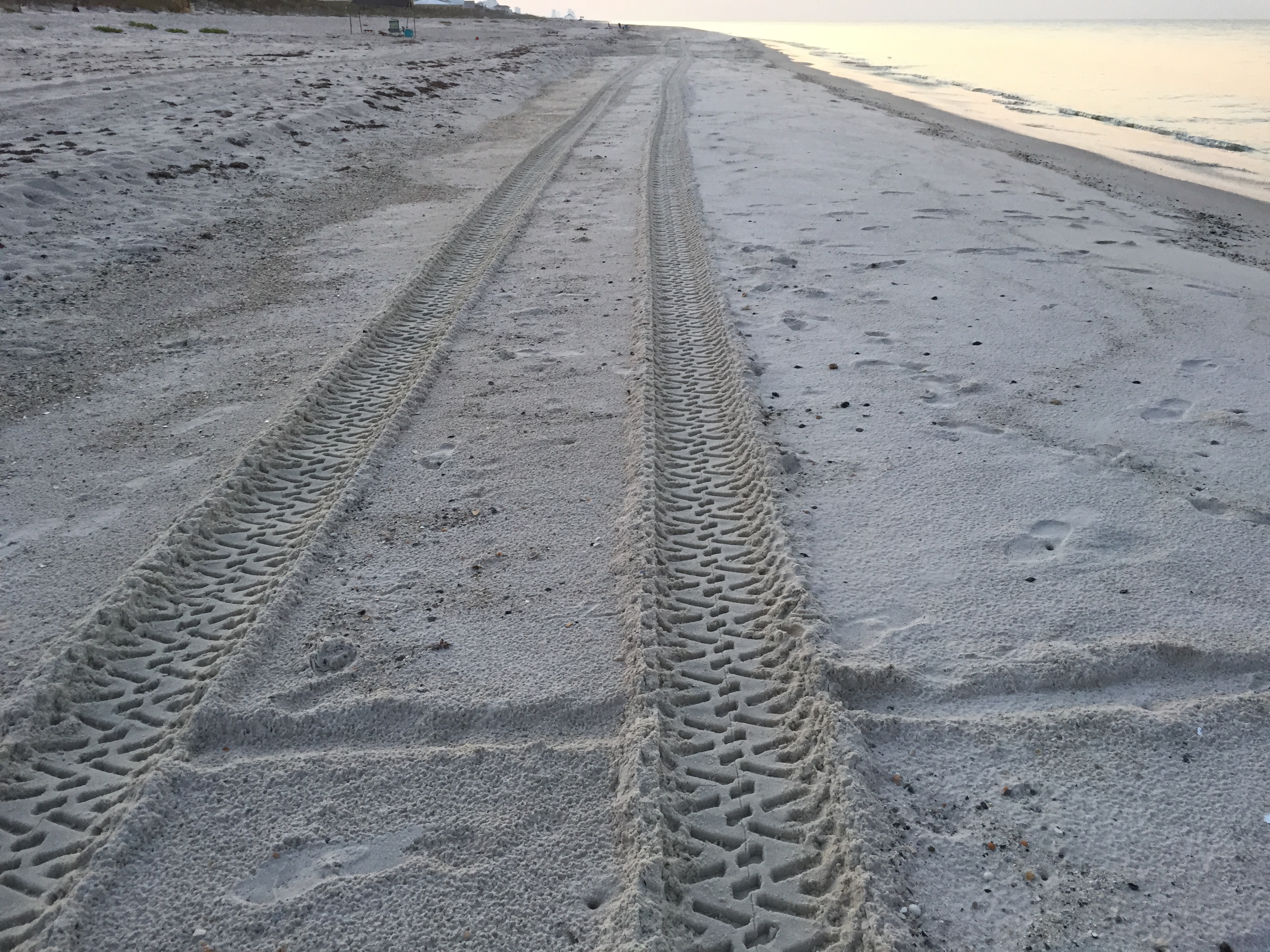 The only tracks I discovered were those of a four-wheeled type driven by a biologist and crew who have been studying sea turtles in Alabama since the BP Deepwater Horizon oil spill in 2010. Over the past five years they have satellite tagged, drawn blood samples, conducted DNA tests and other measurable markers on our sea turtles in an effort to study where they feed and live…and probably gather a little data for evidence in the BP Deepwater Horizon legal case.
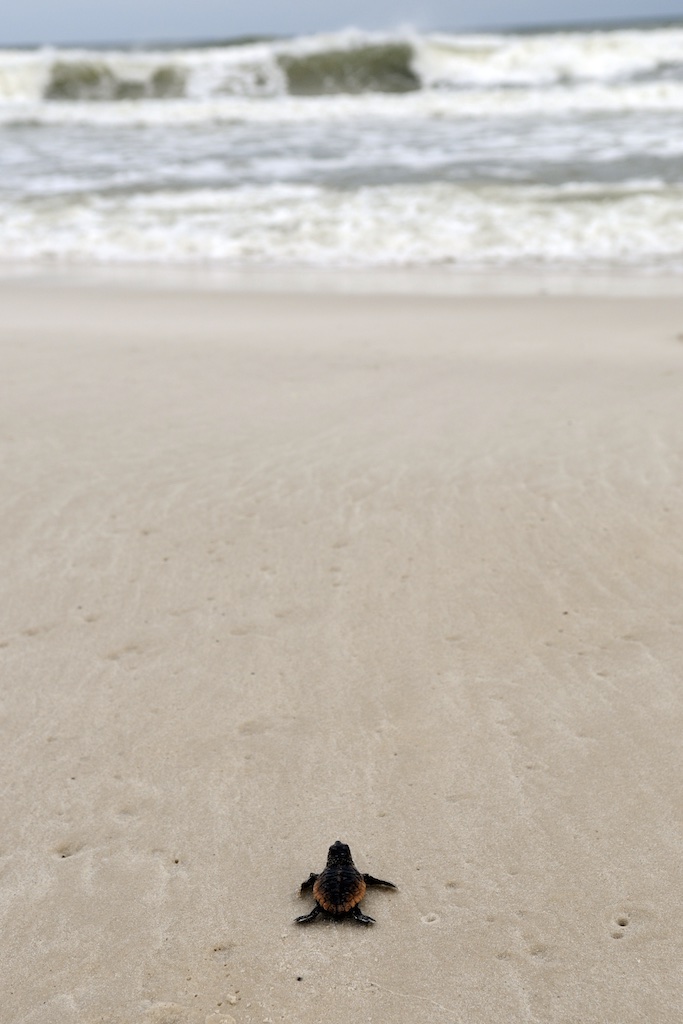
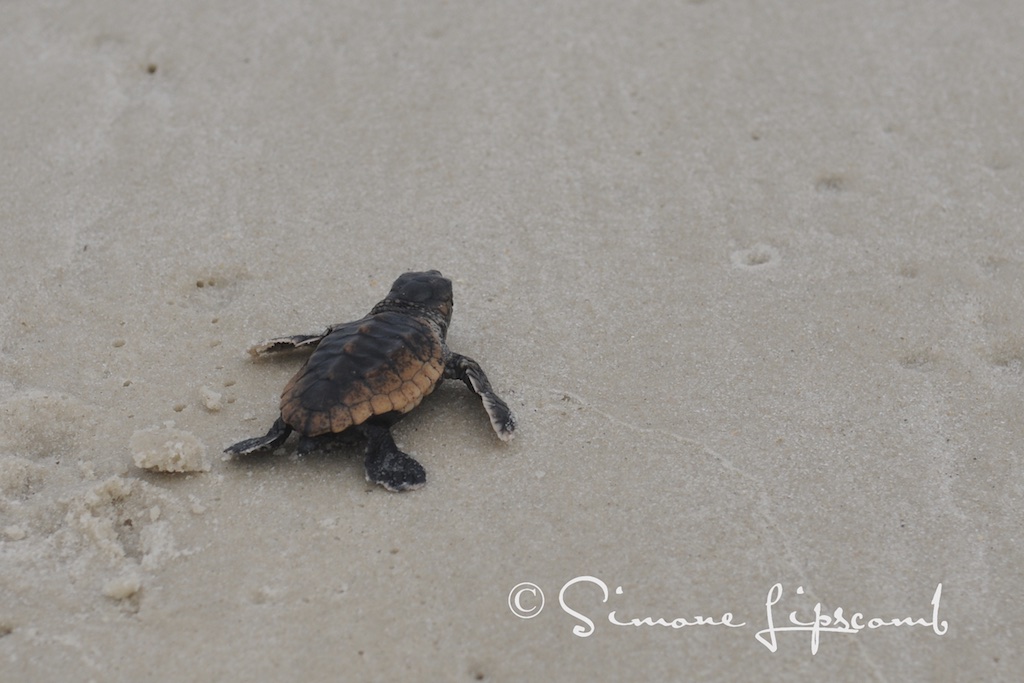
 A report compiled by the Ocean Conservancy in 2014 stated that 1149 sea turtles were collected during the BP oil spill from April 30, 2010 to April 12, 2011. Of those 613 were dead. Out of the total number of sea turtles collected, 809 were Kemps Ridley’s…a highly endangered species. And 481 of those were dead. “Tens of thousands of sea turtles were located in coastal waters within the surface oil extent and were exposed to oil.” There were 278 sea turtle nests relocated from the Northern Gulf Coast that produced 14,700 hatchlings.
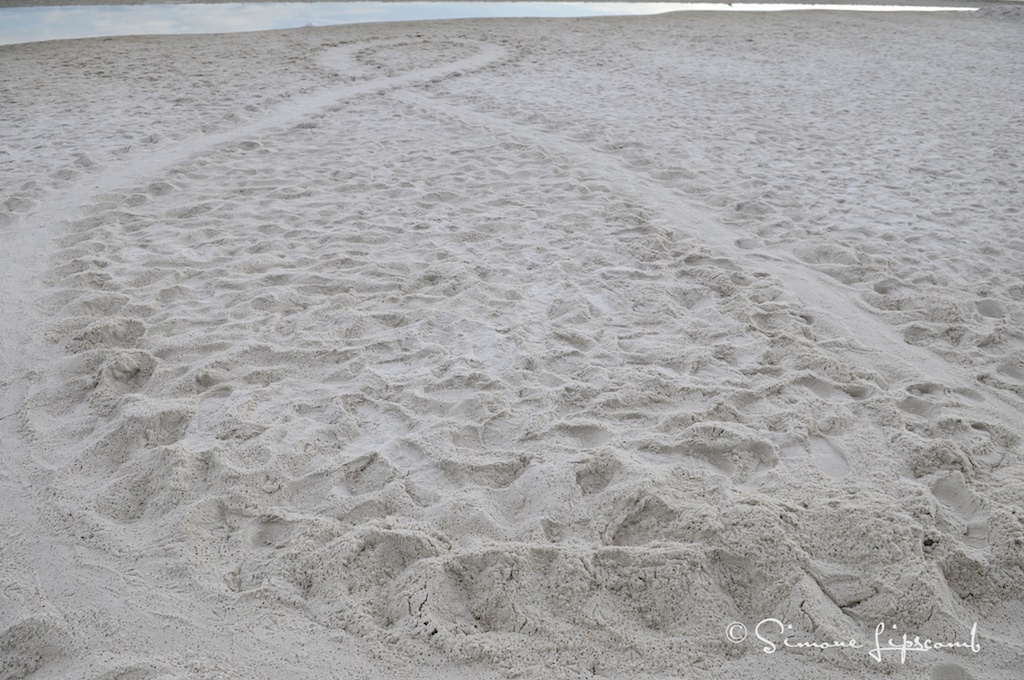 So there is a need to study sea turtles in our area and while the study sounds great, there are some things to consider. First, the satellite tags are attached to the shell with epoxy which gets quite hot as it hardens. There are nerve endings in the shell or carapace so sea turtles so they actually feel the burning of the epoxy as it hardens. When a female has completed her exhausting nesting process–heaving her 350 pound body out of the water and crawling in soft sand, digging a hole with her rear flippers, laying maybe 120 eggs, covering the hole and crawling back towards the water–she is corralled by two-legged beings, ‘burned’ with epoxy, poked with needles and held captive until the ‘glue’ hardens and the scientists have everything they need from her. Then she is released and must crawl back into the water…after being exhausted from nesting and ‘harassment’ by the team.
Harassment, in terms of the US Fish and Wildlife Service, is any human-generated behavior that causes a wild animal to change his or her behavior…including feeding, watering, touching, chasing, injuring, changing habitat, etc.
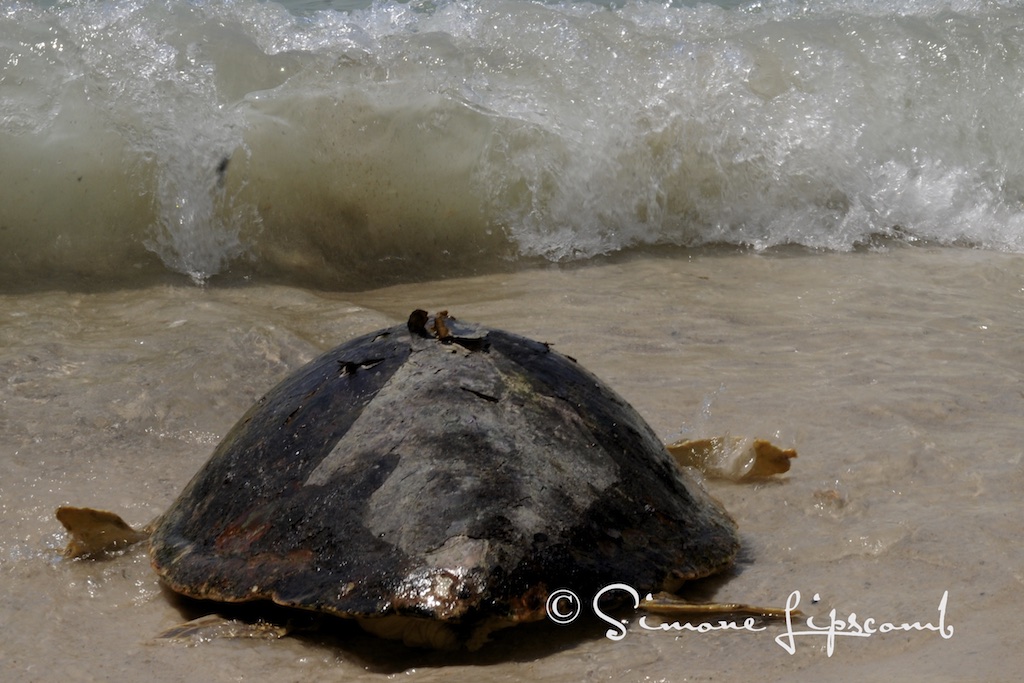 No matter how much good the data does the scientists…or sea turtles…it is a very stressful process for the mother turtles.
According to a report released by the biologist, they have tagged 59 females (that’s perhaps 15% of the Northern Gulf of Mexico population…a large sample for scientists). They concluded that one-third of the small and declining population live year-round in the Northern Gulf of Mexico. They want to continue tracking and studying sea turtles to test whether they revisit the same feeding areas and this gives new possibilities for management and conversation practices.
What if 15% of the total population…the tagged turtles…. are in some way damaged from the very process that is supposed to help the species? How many tagged sea turtles is enough? How much data is enough?
 I have attended two of the debriefings done by the scientists after their tagging season here and saw how the data and the drive for more data seemed to overshadow the species they intend to protect. Watching the scientists light up when describing numbers or capturing male loggerheads by jumping on their backs while the turtles are swimming… bothered me. Is collection of data the prize, the goal? How does long-term concern of the individually tagged animals enter into the equation? It’s easy for humans to say, it doesn’t hurt the turtles, but where is long-term research and evidence to back-up that statement?
The government won’t take action against business unless there are very specific and detailed data showing how the species is being harmed from corporate functions (fossil fuel industry as one example, commercial fisheries is another). So scientists have to focus on numbers…the only thing the government seems to understand….or maybe the only thing scientists understand. It could be very easy to lose track of the health of individual animals while wanting to save an entire species. But this only supposition on my part.
 For many years I have volunteered with wildlife biologists and most are very dedicated, caring individuals. I have had discussions with some of them about the issues addressed in this commentary. I hope they can understand how their actions might look to those of motivated to act solely out of compassion and love.
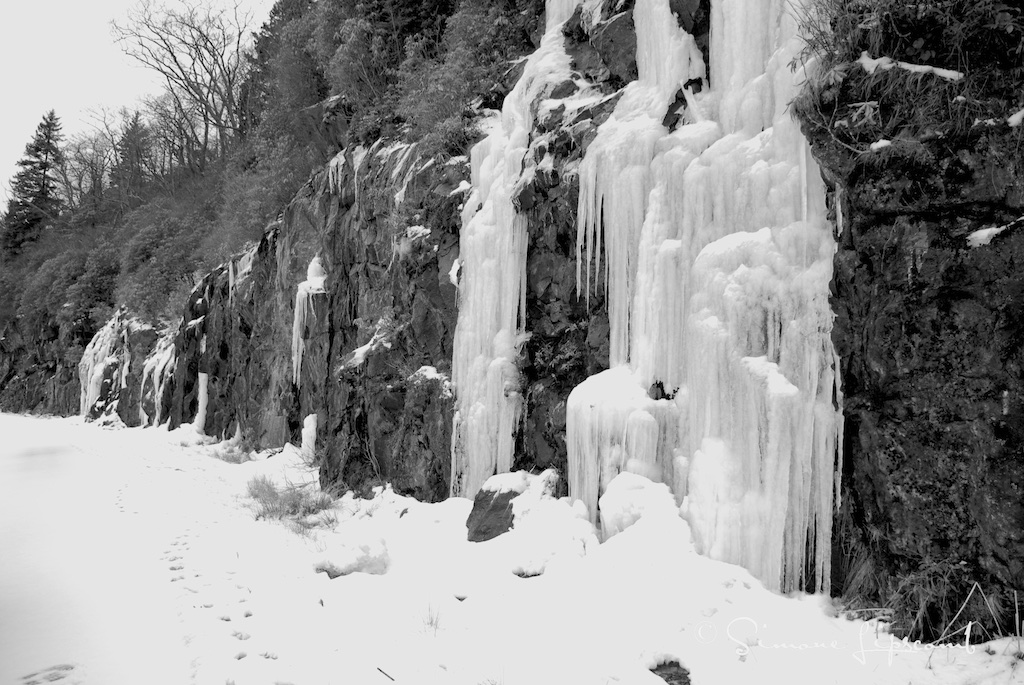
Waking an endangered northern flying squirrel in the high altitudes of the Blue Ridge Mountains during intense cold to weigh them, measure their back leg and tag them seems edgy. But they must have their numbers to justify continued endangered status. I assisted with this research and it bothered me because it seemed to endanger an endangered species…to collect data to justify its status as endangered. (Twisted??)
Sea turtles here in Alabama have been poked, prodded, tagged now for the past several years. Can’t they just be left to nest in peace? But no, numbers are needed…more, more, more numbers.
While earning my undergraduate degree at Auburn University I took a wildlife conservation class and learned the history of this endeavor. Science has evolved through the years and thankfully moved to a more compassionate way of studying species, but I think it has a long way to go.
My theory: Scientists become hyper-focused on numbers and data because that’s the only way they can get the money to fund more studies to prove to the government that the species is endangered, threatened or healthy. I can imagine that their original intention to help wildlife must become a frustration to them as they have to work within a broken system focused on money, money…money.
Last night I was reading a chapter in a book by Jim Nollman. It was about his time spent with orca in Buddy’s Cove, British Columbia. He describes the non-stop ‘researchers’ who visit the whales and spend hours each day in small boats chasing them or the film crews who are equally aggressive in their pursuit of orca. Their justification is to help orca but in the truest sense, this is harassment. And the government issues permits to allow it.
 I totally understand the need to study wild animals in order to provide data that gives proof to the government of what’s supposedly happening so that laws and rules and status changes can be implemented. But a red flag seems appropriate to raise when the welfare of the species they are trying to ‘protect’ comes into question from the research practices. Animals harassed long-term due to research become stressed. Perhaps we need to look at the practices of science that insist on data to prove anything. So it’s not as simple as finger-pointing at the government or corporations or scientists. Perhaps the process of research has never really taken deeper issues of quality of life and respect into consideration.
Can science, common sense and compassion coexist? It is a question yet to be answered. The sea holds many mysteries. Humans who think they can unravel the mysteries without common sense and compassion will never fully understand the very thing they think they are protecting. I wonder if some scientists feel as if they have to sell their soul, little-by-little, as they work within such a warped model to protect wildlife that live in environments highly damaged due to human exploitation.
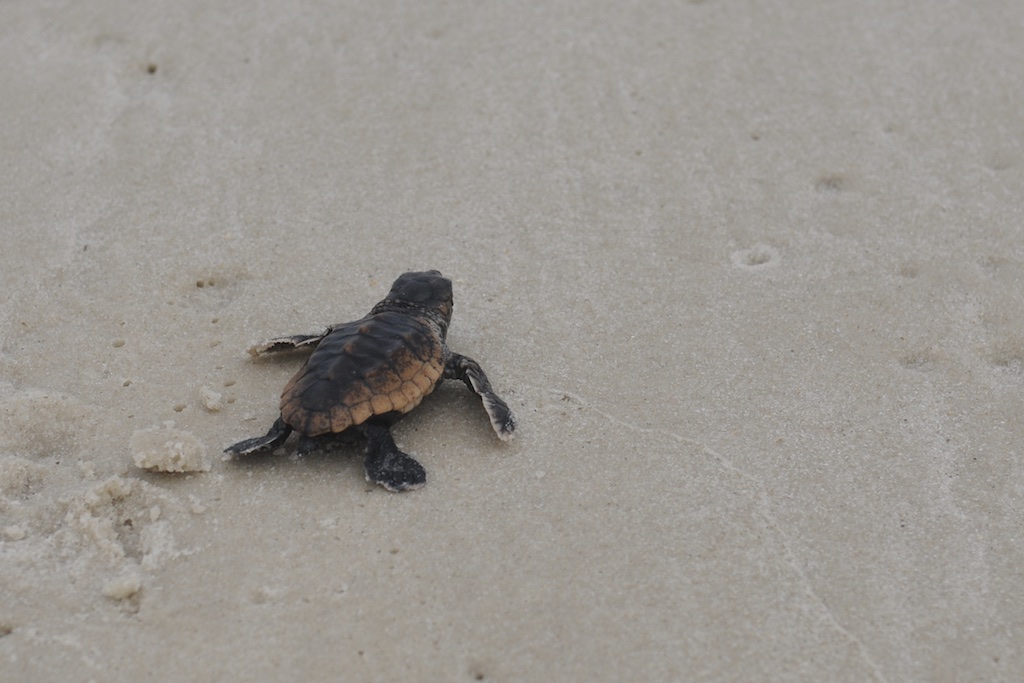
Humans can justify just about anything in the name of science. Governments can refuse to take protective action unless there are years of data. Corporations know this and profit from it. And what about the wildlife? Indeed…what about the wildlife.